Introduction
The
purpose
of
this
lesson
is
to
reference
scripture
that
identifies
key
aspects
of
Christianity
that
are
different from religions, and written with an intent of not conveying any negatives about religions.
Note: Christianity has the largest number of followers in the world. (
Source
)
From a high level perspective, the key differences between Christianity and religions are:
•
Every person has a sinful nature, which:
o
Creates desires within us to sin.
o
Conflicts with the holiness of God.
o
Separates us from God.
o
We are unable to overcome by our own efforts.
•
Because
of
God’s
grace
and
love,
He
has
provided
a
means
through
faith
in
His
Son,
Jesus
Christ,
to:
o
Overcome the influential power of our sinful nature (aka “flesh”) to sin.
o
Be viewed by God as having the righteousness of Jesus.
o
Establish an eternal relationship with God.
“For the wages of sin is death, but the gift of God is eternal life in Christ Jesus our Lord.”
Romans 6:23
Man’s Sinful Nature
Our
sinful
nature
is
an
inherent
component
that
influences
the
behavior
of
every
person.
It
is
a
condition
of
the
heart
that
conflicts
with
(and
rebels
against)
the
righteousness
of
God—which
creates
a spiritual barrier between us and Him.
•
“For all have sinned and fall short of the glory of God.”
Romans 3:23
•
“If we say that we have no sin, we deceive ourselves, and the truth is not in us.”
1 John 1:8
The
inherency
of
our
sinful
nature
is
evidenced
by
a
very
young
child
who
will
lie
in
the
face
of
truth.
For
example,
the
mother
asks
the
child,
“Did
you
eat
the
cookies
I
told
you
not
to
eat
until
after
dinner?”
The
child
responds
(with
cookie
crumbs
on
the
face
and
in
their
mouth),
“No.”
And
the
child
will
attempt
to
continue
the
lie
when
presented
with
truth-based
facts.
The
child
was
not
taught
nor
learned
how to lie...because lying is just one aspect of our sinful nature.
Additional
examples
of
our
sinful
nature
are
demonstrated
by
our
own
behavior
(words
and
deeds);
surface
within
the
behavior
of
those
whom
we
encounter;
and
is
responsible
for
the
constant
devastating turmoil that exists upon earth (past, present and future).
The
Apostle
Paul
declared
his
struggles
with
his
sinful
nature.
“For
I
know
that
in
me
(that
is,
in
my
flesh)
nothing
good
dwells...For
the
good
that
I
will
to
do,
I
do
not
do;
but
the
evil
I
will
not
to
do,
that
I
practice.
Now
if
I
do
what
I
will
not
to
do,
it
is
no
longer
I
who
do
it,
but
sin
that
dwells
in
me.”
Romans
7:18-20
The Holiness of God
God’s holiness is characterized by His moral perfection and flawless purity.
•
“Who is like You, O Lord, among the gods. Who is like You, glorious in holiness?
Exodus 15:11
•
“No one is holy like the Lord, for there is none besides You.”
1 Samuel 2:2
•
“You are of purer eyes than to behold evil, and cannot look on wickedness.”
Habakuk 1:13
•
“Oh, worship the Lord in the beauty of Holiness; tremble before him, all the earth!”
Psalms 96:9
•
“Holy, holy, holy is the Lord of hosts; the whole earth is full of his glory!”
Isaiah 6:3
God disdains man’s sin.
•
“The way of the wicked is an abomination to the Lord.”
Proverbs 15:9
•
“For
the
wrath
of
God
is
revealed
from
heaven
against
all
ungodliness
and
unrighteousness
of
men,
who suppress the truth in unrighteousness.”
Romans 1:18
Read
(
Romans
1:18-32
)
to
enhance
your
understanding
of
the
various
types
of
sin
and
the
consequences
of
sin.
As
you
read,
note
how
God
has
separated
Himself
from
man
because
of
sin—as
He gave them up to uncleanness, their vile passions and a debased mind.
Sin Separates Us From God
•
“But
your
iniquities
have
separated
you
from
your
God;
and
your
sins
have
hidden
His
face
from
you.”
Isaiah 59:2
•
“Because
the
carnal
mind
is
enmity
against
God;
for
it
is
not
subject
to
the
law
of
God,
nor
indeed
can be. So then, those who are in the flesh cannot please God.”
Romans 8:7
•
“Therefore
I
will
number
you
for
the
sword,
and
you
shall
all
bow
down
to
the
slaughter;
because,
when
I
called,
you
did
not
answer;
when
I
spoke,
you
did
not
hear,
but
did
evil
before
My
eyes,
and
chose that in which I do not delight.”
Isaiah 65:12
We Are Unable to Overcome Our Sinful Nature By Our Own Efforts
Mankind
lacks
the
required
resources
and
capabilities
to
overcome
our
inherent
sinful
nature
and
replace
it
with
the
righteousness
that
God
desires.
Many
will
attempt
to
do
their
best
in
overcoming
undesirable
and
destructive
things
in
life
by
trying
to
be
a
better
person.
But
in
truth,
we
are
only
able
to
change
those
things
that
are
on
the
“outside”
and
not
the
spiritual
things
that
are
in
the
depths
of
our
heart and soul (where the real, spiritual and God desired transformational changes must occur).
God
designed
us
with
an
inability
to
overcome
ourselves
for
a
reason.
If
God
gave
humans
an
ability
to
make
autonomous
self-directed
changes
unto
righteousness...we
would
not
need
Him,
and
it
would
result
in
a
prideful
(and
often
hardened)
heart.
Plus,
it
would
create
a
spiritual
barrier
with
God
because He desires humility and meekness within those who seek Him.
•
Humility
reflects
our
weaknesses,
limitations
and
dependence
upon
God.
“Humble
yourselves
in
the sight of the Lord, and He will lift you up.”
James 4:10
•
Meekness
demonstrates
our
willingness
to
yield
to
God
and
respond
gently
to
others.
“Blessed
are
the meek, for they shall inherit the earth.”
Mat. 5:5
So...humanity
has
a
dilemma
because
we
are
unable
to
overcome
our
sinful
nature
and
become
the
righteousness
God
desires.
However,
God
has
provided
a
way
for
all
of
us
to
overcome
our
sin
by
His
grace, love and forgiveness.
God’s Grace and Love
God has provided us with a means to overcome our sinful nature through our faith in Jesus.
Faith
God
designed
us
with
multiple
attributes
that
facilitate
connecting
with
Him
so
that
the
He
can
spiritually
transform
us
from
within
and
prepare
us
for
eternity
with
Him.
One
of
the
most
important
of
all
the
attributes is faith.
•
“God has dealt to each one a measure of faith.”
Romans 12:3
•
“But
without
faith
it
is
impossible
to
please
Him,
for
he
who
comes
to
God
must
believe
that
He
is,
and that He is a rewarder of those who diligen
tly seek Him.”
Hebrews 11:6
Jesus
God
did
something
amazing
and
wonderful
that
has
confounded
mankind
for
more
than
2,000
years.
He
forgave
us
for
our
sins
through
the
crucifixion
of
His
Son,
Jesus
Christ.
In
effect,
Jesus—who
never
sinned
and
exemplified
God’s
righteousness
in
every
aspect
of
His
life—took
the
punishment
for
our
sins
into
His
body
when
He
died
on
the
cross
and
shed
His
blood.
In
effect,
the
sacrificial
death
of
Jesus
created
a
“
bridge
to
God
”
that
provided
a
means to be forgiven—by faith—for our sins.
“For
He
made
Him
who
knew
no
sin
to
be
sin
for
us,
that
we
might
become
the
righteousness
of God in Him.”
2 Cor. 5:21
“For
by
grace
you
have
been
saved
through
faith
,
and
that
not
of
yourselves;
it
is
the
gift
of
God,
not
of
works,
lest
anyone
should
boast.
For
we
are
His
workmanship,
created
in
Christ
Jesus
for
good
works, which God prepared beforehand that we should walk in them.”
Ephesians 2:8-10
“In
Him
we
have
redemption
through
His
blood,
the
forgiveness
of
sins,
according
to
the
riches
of
His
grace.”
Eph.1:7
Think
about
it...in
contrast
to
reaching
upward
toward
God
and
searching
for
Him…Christianity
is
based
upon
God
reaching
down
and
searching
for
us
via
His
Son.
Jesus
declared,
“For
God
did
not
send
His
Son into the world to condemn the world, but that the world through Him might be saved.”
John 3:17
The Desires of the Heart
God
is
more
interested
in
the
desires
of
the
heart
than
He
is
with
sin—because
He
is
able
to
transform
our
heart
by
His
grace
and
Love.
“For
the
Lord
does
not
see
as
man
sees;
for
man
looks
at
the
outward
appearance,
but
the
Lord
looks
at
the
heart.”
1
Samuel
16:7
“I,
the
Lord,
search
the
heart,
I
test the mind.”
Jeremiah 17:10
God
designed
us
to
have
a
relationship
with
Him,
and
is
searching
for
those
who
have
reached
the
point
where
they
hate
their
sin
and
desire
His
righteousness.
God
gave
man
a
free
will
and
He
will
not
attempt
to
change
someone
who
prefers
to
sin.
So,
the
question
each
person
must
internally
reflect
upon and determine is:
•
Do I prefer to continue fulfilling the lusts of my sinful flesh...or...
•
Do I have a heart-felt desire for the righteousness of God.
Preference to Fulfill the Lusts of the Flesh (Sinful Nature)
Those who prefer to continue in sin will reject God by embracing lies that:
•
Reinforce their decision to sin.
•
Discount
the
existence
of
God,
His
Love,
His
grace,
and
the
eternal
benefits
of
repentance
and
turning towards Him.
•
Causes them to remain in darkness and under the power of Satan.
“But
even
if
our
gospel
is
veiled,
it
is
veiled
to
those
who
are
perishing,
whose
minds
the
god
of
this
age
has
blinded,
who
do
not
believe,
lest
the
light
of
the
gospel
of
the
glory
of
Christ,
who
is
the
image
of God, should shine on them.”
2 Cor. 4:3-4
“And
this
is
the
condemnation,
that
the
light
has
come
into
the
world,
and
men
loved
darkness
rather
than
light,
because
their
deeds
were
evil.
For
everyone
practicing
evil
hates
the
light
and
does
not
come
to
the
light,
lest
his
deeds
should
be
exposed.
But
he
who
does
the
truth
comes
to
the
light,
that
his deeds may be clearly seen, that they have been done in God.”
John 3:19-21
Desire the Righteousness of God
The
caustic
consequences
of
sin
is
like
a
spiritual
cancer
that
destroys
the
body,
heart,
soul
and
spirit.
Those
who
turn
towards
God
will
do
so
with
a
contrite
and
humble
heart—because
they
realize
they
have
made
a
mess
of
their
life
and
the
lives
of
others,
and
God
is
their
only
hope
(a
spiritual
enlightenment driven by the Holy Spirit). The transition begins when one:
•
Believes
in
God’s
grace,
love
and
forgiveness
that
was
demonstrated
in
the
crucified
death
of
Jesus
Christ.
•
Repents (turn away from sin and towards God) and depends upon Him to make the changes.
Jesus
declared,
“I
have
come
as
a
light
into
the
world,
that
whoever
believes
in
Me
should
not
abide
in
darkness.”
John 12:46
Jesus
instructed
Paul
to,
“Open
their
eyes,
in
order
to
turn
them
from
darkness
to
light,
and
from
the
power
of
Satan
to
God,
that
they
may
receive
forgiveness
of
sins
and
an
inheritance
among
those
who
are sanctified by faith in Me.”
Acts 26:18
Is There Any Other Way?
Anything
apart
from
God’s
grace
through
Jesus
is
in
vain.
No
matter
how
hard
we
try,
we
cannot
eliminate
the
influence
of
our
sinful
nature—nor
cease
the
consequences
of
our
sin—by
our
own
efforts.
•
“Can the Ethiopian change his skin or the leopard its spots?”
Jeremiah 13:23
•
‘“Come
now,
and
let
us
reason
together,’
Says
the
Lord,
‘Though
your
sins
are
like
scarlet,
they
shall be as white as snow; though they are red like crimson, they shall be as wool.’”
Isaiah 1:18
•
“If
we
confess
our
sins,
He
is
faithful
and
just
to
forgive
us
our
sins
and
to
cleanse
us
from
all
unrighteousness.”
1 John 1:9
•
“The blood of Jesus Christ His Son cleanses us from all sin.”
1 John 1:7
•
“Knowing
that
you
were
not
redeemed
with
corruptible
things,
like
silver
or
gold,
from
your
aimless
conduct
received
by
tradition
from
your
fathers,
but
with
the
precious
blood
of
Christ,
as
of
a
lamb
without blemish and without spot.”
1 Peter 1:18-19
•
“Not
by
works
of
righteousness
which
we
have
done,
but
according
to
His
mercy
He
saved
us,
through the washing of regeneration and renewing of the Holy Spirit.”
Titus 3:5
Summary
Christianity is unique from religions because it is based upon faith in Jesus Christ, who:
Interesting
Note:
Given
the
multitude
of
Old
Testament
prophesies
that
Jesus
fulfilled,
the
probability
of
one
person
fulfilling
just
eight
of
the
best-known
prophesies
is
1
in
100
quadrillion.
This
is
similar
to
covering
the
state
of
Texas
2
foot
deep
in
silver
dollars;
writing
a
check
mark
on
one
silver
dollar;
hiding
it
somewhere
in
the
vastness
of
Texas;
then
blindfolding
a
person
and
asking
them
to
find
the
marked
silver dollar…and they find it their first try. (
Source
)
Given
all
of
the
aforementioned,
there
is
one
declaration
made
by
Jesus
that
“crystalizes”
the
key
differentiation between Christianity and religions.
“I am the way, the truth, and the life. No one comes to the Father except through Me.”
John 14:6
The
spiritual
power
and
absoluteness
of
His
words
become
more
evident
when
you
consider
their
ramifications.
Jesus
said
He
is
the
only
way
to
find
truth,
the
only
way
to
experience
a
fulfilled
life,
and
the only way to connect with God.
Paraphrasing
C.S.
Lewis
in
his
book
Mere
Christianity—based
upon
the
words
Jesus
spoke
and
who
He
claimed
to
be—Jesus
Christ
was
either
a
lunatic
or
the
Son
of
God.
These
words
by
C.S.
Lewis
are
a
bold
and
provocative
statement.
But
when
you
think
about
it…he
right:
it’s
one
or
the
other.
In
addition,
there’s
no
middle-of-the-road
statement
such
as,
“Well,
he
was
simply
a
prophet,
or
a
good
teacher, or a godly man.”
What to Do
1. Determine the desires of your heart:
•
Continue to sin, or...
•
Yield to the Lordship of Jesus
2. Decide whom you will serve.
Jesus
explained,
“Most
assuredly,
I
say
to
you,
whoever
commits
sin
is
a
slave
of
sin.
Therefore
if
the
Son
makes
you free, you shall be free indeed.”
John 8:34 & 36
“Behold,
I
stand
at
the
door
and
knock.
If
anyone
hears
My
voice
and
opens
the
door,
I
will
come
in
to
him
and
dine with him, and he with Me.”
Rev. 3:20
If
you
made
a
decision
for
Jesus,
the
next
step
is
to
pray
to
God
for
forgiveness.
It
is
important
that
you speak from your heart with your own words. Here is an example of what you might pray.
Heavenly
Father,
in
the
name
of
Jesus...whom
I
believe
was
crucified
for
my
sins...I
ask
for
forgiveness
for all that I have done. I open my heart and welcome Your Holy Spirit to change me from within so that
I become all that You desire of me.
I highly suggest reading the following two lessons on UniqueBibleStudies.com:
1
.
4 Types of Death 1 Source of Life
2
.
What is a Born-Again Ch
ristian
Worthy is the Lamb who was slain for the redemption of humanity. (
Rev. 5
)
“Behold,
I
am
coming
quickly,
and
My
reward
is
with
Me,
to
give
to
every
one
according
to
his
work.
I
am the Alpha and the Omega, the Beginning and the End, the First and the Last.”
Rev. 22:12-13
All for His Glory!
Harold D. Thomas
Thought-Provoking Questions
The
purpose
of
the
questions
is
to
facilitate
a
deeper
understanding
of
the
Bible,
this
Bible
study
topic,
and
ourselves.
The
questions
may
be
answered
by
each
reader,
or
used
by
a
Bible
study
group
leader,
or
church
pastor.
The
questions
should
be
answered
or
discussed
after
reading
the
lesson.
In
addition,
the
questions
are
designed
to
enhance
learning
via
the
determination
of
personal
opinions
and
discovering
how
the
lesson
content
relates
to
our
personal
lives.
As
such,
no
answers
are
provided.
Questions
The lesson states all persons have a sinful nature? Can you identify at least 3 examples?
The lesson states our sinful nature rebels against God? Can you identify a personal example?
The lesson states our sinful nature separates us from God? Can you identify a personal example?
Do you think it is important for one to despise their sin before they turn to Jesus? Explain.
The
lesson
states
any
attempt
to
overcome
our
sinful
nature
by
our
own
efforts
is
in
vain.
The
lesson
also
states
changes
must
occur
within
the
spiritual
depts
of
our
heart
and
soul
(where
the
God
desired
transformation changes must occur). Do you agree or disagree? Explain.
In
the
lesson
summary
section,
a
table
lists
multiple
reasons
why
Christianity
is
unique
from
other
religions. Which 3 do you think is most important?
Some
people
believe
Jesus
was
a
prophet,
a
good
teacher,
or
a
godly
man.
Do
the
declarative
words
spoken
by
Jesus
in
John
14:6
refute
these
perceptions?
“I
am
the
way,
the
truth,
and
the
life.
No
one
comes to the Father except through Me.”
If yes, how?
What
is
the
spiritual
meaning
of
John
8:32?
“And
you
shall
know
the
truth,
and
the
truth
shall
make
you free.”
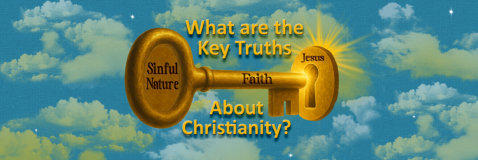
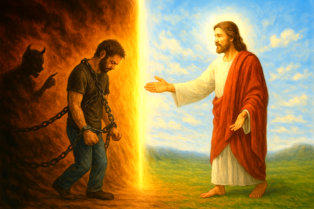
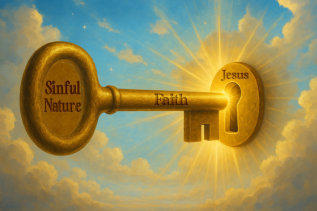
The title graphic contains multiple images that correlate to the lesson’s content.
•
Can you identify 3 or more.
•
How would you explain the title graphic to someone who does not know Jesus Christ?
What is the most important thing you learned from this lesson?
You may d
ownload a PDF version of the questions by clicking this button.
























The words of Jesus Christ are in red text.
Hyperlinks = (XXXX…)










Words of Jesus are in red text.
Hyperlinks = (XXXX…)
Introduction
The
purpose
of
this
lesson
is
to
reference
scripture
that
identifies
key
aspects
of
Christianity
that
are
different
from
religions,
and
written
with
an
intent
of
not
conveying
any negatives about religions.
Note:
Christianity
has
the
largest
number
of
followers
in
the world. (
Source
)
From
a
high
level
perspective,
the
key
differences
between Christianity and religions are:
•
Every person has a sinful nature, which:
o
Creates desires within us to sin.
o
Conflicts with the holiness of God.
o
Separates us from God.
o
We are unable to overcome by our own efforts.
•
Because
of
God’s
grace
and
love,
He
has
provided
a
means through faith in His Son, Jesus Christ, to:
o
Overcome
the
influential
power
of
our
sinful
nature
(aka “flesh”) to sin.
o
Be
viewed
by
God
as
having
the
righteousness
of
Jesus.
o
Establish an eternal relationship with God.
“For
the
wages
of
sin
is
death,
but
the
gift
of
God
is
eternal life in Christ Jesus our Lord.”
Romans 6:23
Man’s Sinful Nature
Our
sinful
nature
is
an
inherent
component
that
influences
the
behavior
of
every
person.
It
is
a
condition
of
the
heart
that
conflicts
with
(and
rebels
against)
the
righteousness
of
God—which
creates
a
spiritual
barrier
between us and Him.
•
“For
all
have
sinned
and
fall
short
of
the
glory
of
God.”
Romans 3:23
•
“If
we
say
that
we
have
no
sin,
we
deceive
ourselves,
and the truth is not in us.”
1 John 1:8
The
inherency
of
our
sinful
nature
is
evidenced
by
a
very
young
child
who
will
lie
in
the
face
of
truth.
For
example,
the
mother
asks
the
child,
“Did
you
eat
the
cookies
I
told
you
not
to
eat
until
after
dinner?”
The
child
responds
(with
cookie
crumbs
on
the
face
and
in
their
mouth),
“No.”
And
the
child
will
attempt
to
continue
the
lie
when
presented
with
truth-based
facts.
The
child
was
not
taught
nor
learned
how
to
lie...because
lying
is
just
one
aspect of our sinful nature.
Additional
examples
of
our
sinful
nature
are
demonstrated
by
our
own
behavior
(words
and
deeds);
surface
within
the
behavior
of
those
whom
we
encounter;
and
is
responsible
for
the
constant
devastating
turmoil
that exists upon earth (past, present and future).
The
Apostle
Paul
declared
his
struggles
with
his
sinful
nature.
“For
I
know
that
in
me
(that
is,
in
my
flesh)
nothing
good
dwells...For
the
good
that
I
will
to
do,
I
do
not
do;
but
the
evil
I
will
not
to
do,
that
I
practice.
Now
if
I
do
what
I
will
not
to
do,
it
is
no
longer
I
who
do
it,
but
sin
that dwells in me.”
Romans 7:18-20
The Holiness of God
God’s
holiness
is
characterized
by
His
moral
perfection
and flawless purity.
•
“Who
is
like
You,
O
Lord,
among
the
gods.
Who
is
like You, glorious in holiness?
Exodus 15:11
•
“No
one
is
holy
like
the
Lord,
for
there
is
none
besides
You.”
1 Samuel 2:2
•
“You
are
of
purer
eyes
than
to
behold
evil,
and
cannot
look on wickedness.”
Habakuk 1:13
•
“Oh,
worship
the
Lord
in
the
beauty
of
Holiness;
tremble before him, all the earth!”
Psalms 96:9
•
“Holy,
holy,
holy
is
the
Lord
of
hosts;
the
whole
earth
is full of his glory!”
Isaiah 6:3
God disdains man’s sin.
•
“The
way
of
the
wicked
is
an
abomination
to
the
Lord.”
Proverbs 15:9
•
“For
the
wrath
of
God
is
revealed
from
heaven
against
all
ungodliness
and
unrighteousness
of
men,
who
suppress the truth in unrighteousness.”
Romans 1:18
Read
(
Romans
1:18-32
)
to
enhance
your
understanding
of
the
various
types
of
sin
and
the
consequences
of
sin.
As
you
read,
note
how
God
has
separated
Himself
from
man
because
of
sin—as
He
gave
them
up
to
uncleanness, their vile passions and a debased mind.
Sin Separates Us From God
•
“But
your
iniquities
have
separated
you
from
your
God;
and
your
sins
have
hidden
His
face
from
you.”
Isaiah 59:2
•
“Because
the
carnal
mind
is
enmity
against
God;
for
it
is
not
subject
to
the
law
of
God,
nor
indeed
can
be.
So
then,
those
who
are
in
the
flesh
cannot
please
God.”
Romans 8:7
•
“Therefore
I
will
number
you
for
the
sword,
and
you
shall
all
bow
down
to
the
slaughter;
because,
when
I
called,
you
did
not
answer;
when
I
spoke,
you
did
not
hear,
but
did
evil
before
My
eyes,
and
chose
that
in
which I do not delight.”
Isaiah 65:12
We
Are
Unable
to
Overcome
Our
Sinful
Nature
By
Our Own Efforts
Mankind
lacks
the
required
resources
and
capabilities
to
overcome
our
inherent
sinful
nature
and
replace
it
with
the
righteousness
that
God
desires.
Many
will
attempt
to
do
their
best
in
overcoming
undesirable
and
destructive
things
in
life
by
trying
to
be
a
better
person.
But
in
truth,
we
are
only
able
to
change
those
things
that
are
on
the
“outside”
and
not
the
spiritual
things
that
are
in
the
depths
of
our
heart
and
soul
(where
the
real,
spiritual
and
God desired transformational changes must occur).
God
designed
us
with
an
inability
to
overcome
ourselves
for
a
reason.
If
God
gave
humans
an
ability
to
make
autonomous
self-directed
changes
unto
righteousness,
we
would
not
need
Him,
and
it
would
result
in
a
prideful
(and
often
hardened)
heart.
Plus,
it
would
create
a
spiritual
barrier
with
God
because
He
desires
humility
and meekness within those who seek Him.
•
Humility
reflects
our
weaknesses,
limitations
and
dependence
upon
God.
“Humble
yourselves
in
the
sight of the Lord, and He will lift you up.”
James 4:10
•
Meekness
demonstrates
our
willingness
to
yield
to
God
and
respond
gently
to
others.
“Blessed
are
the
meek, for they shall inherit the earth.”
Mat. 5:5
So...humanity
has
a
dilemma
because
we
are
unable
to
overcome
our
sinful
nature
and
become
the
righteousness
God
desires.
However,
God
has
provided
a
way
for
all
of
us
to
overcome
our
sin
by
His
grace,
love
and forgiveness.
God’s Grace and Love
God
has
provided
us
with
a
means
to
overcome
our
sinful nature through our faith in Jesus.
Faith
God
designed
us
with
multiple
attributes
that
facilitate
connecting
with
Him
so
that
the
He
can
spiritually
transform
us
from
within
and
prepare
us
for
eternity
with
Him.
One
of
the
most
important
of
all
the
attributes
is
faith.
•
“God
has
dealt
to
each
one
a
measure
of
faith.”
Romans 12:3
•
“But
without
faith
it
is
impossible
to
please
Him,
for
he
who
comes
to
God
must
believe
that
He
is,
and
that
He
is
a
rewarder
of
those
who
diligently
seek
Him.”
Hebrews 11:6
Jesus
God
did
something
amazing
and
wonderful
that
has
confounded
mankind
for
more
than
2,000
years.
He
forgave
us
for
our
sins
through
the
crucifixion
of
His
Son,
Jesus
Christ.
In
effect,
Jesus—who
never
sinned
and
exemplified
God’s
righteousness
in
every
aspect
of
His
life—took
the
punishment
for
our
sins
into
His
body
when
He
died
on
the
cross
and
shed
His
blood.
In
effect,
the
sacrificial
death
of
Jesus
created
a
“
bridge
to
God
”
that
provided a means to be forgiven—by faith—for our sins.
“For
He
made
Him
who
knew
no
sin
to
be
sin
for
us,
that
we
might
become
the
righteousness
of
God
in
Him.”
2
Cor. 5:21
“For
by
grace
you
have
been
saved
through
faith
,
and
that
not
of
yourselves;
it
is
the
gift
of
God,
not
of
works,
lest
anyone
should
boast.
For
we
are
His
workmanship,
created
in
Christ
Jesus
for
good
works,
which
God
prepared
beforehand
that
we
should
walk
in
them.”
Ephesians 2:8-10
“In
Him
we
have
redemption
through
His
blood,
the
forgiveness
of
sins,
according
to
the
riches
of
His
grace.”
Eph.1:7
Think
about
it...in
contrast
to
reaching
upward
toward
God
and
searching
for
Him…Christianity
is
based
upon
God
reaching
down
and
searching
for
us
via
His
Son.
Jesus
declared,
“For
God
did
not
send
His
Son
into
the
world
to
condemn
the
world,
but
that
the
world
through
Him might be saved.”
John 3:17
The Desires of the Heart
God
is
more
interested
in
the
desires
of
the
heart
than
He
is
with
sin—because
He
is
able
to
transform
our
heart
by
His
grace
and
Love.
“For
the
Lord
does
not
see
as
man
sees;
for
man
looks
at
the
outward
appearance,
but
the
Lord
looks
at
the
heart.”
1
Samuel
16:7
“I,
the
Lord,
search the heart, I test the mind.”
Jeremiah 17:10
God
designed
us
to
have
a
relationship
with
Him,
and
is
searching
for
those
who
have
reached
the
point
where
they
hate
their
sin
and
desire
His
righteousness.
God
gave
man
a
free
will
and
He
will
not
attempt
to
change
someone
who
prefers
to
sin.
So,
the
question
each
person must internally reflect upon and determine is:
•
Do
I
prefer
to
continue
fulfilling
the
lusts
of
my
sinful
flesh...or...
•
Do
I
have
a
heart-felt
desire
for
the
righteousness
of
God.
Preference
to
Fulfill
the
Lusts
of
the
Flesh
(Sinful
Nature)
Those
who
prefer
to
continue
in
sin
will
reject
God
by
embracing lies that:
•
Reinforce their decision to sin.
•
Discount
the
existence
of
God,
His
Love,
His
grace,
and
the
eternal
benefits
of
repentance
and
turning
towards Him.
•
Causes
them
to
remain
in
darkness
and
under
the
power of Satan.
“But
even
if
our
gospel
is
veiled,
it
is
veiled
to
those
who
are
perishing,
whose
minds
the
god
of
this
age
has
blinded,
who
do
not
believe,
lest
the
light
of
the
gospel
of
the
glory
of
Christ,
who
is
the
image
of
God,
should
shine
on them.”
2 Cor. 4:3-4
“And
this
is
the
condemnation,
that
the
light
has
come
into
the
world,
and
men
loved
darkness
rather
than
light,
because
their
deeds
were
evil.
For
everyone
practicing
evil
hates
the
light
and
does
not
come
to
the
light,
lest
his
deeds
should
be
exposed.
But
he
who
does
the
truth
comes
to
the
light,
that
his
deeds
may
be
clearly
seen,
that they have been done in God.”
John 3:19-21
Desire the Righteousness of God
The
caustic
consequences
of
sin
is
like
a
spiritual
cancer
that
destroys
the
body,
heart,
soul
and
spirit.
Those
who
turn
towards
God
will
do
so
with
a
contrite
and
humble
heart—because
they
realize
they
have
made
a
mess
of
their
life
and
the
lives
of
others,
and
God
is
their
only
hope
(a
spiritual
enlightenment
driven
by
the
Holy
Spirit).
The transition begins when one:
•
Believes
in
God’s
grace,
love
and
forgiveness
that
was
demonstrated
in
the
crucified
death
of
Jesus
Christ.
•
Repents
(turn
away
from
sin
and
towards
God)
and
depends upon Him to make the changes.
Jesus
declared,
“I
have
come
as
a
light
into
the
world,
that
whoever
believes
in
Me
should
not
abide
in
darkness.”
John 12:46
Jesus
instructed
Paul
to,
“Open
their
eyes,
in
order
to
turn
them
from
darkness
to
light,
and
from
the
power
of
Satan
to
God,
that
they
may
receive
forgiveness
of
sins
and
an
inheritance
among
those
who
are
sanctified
by
faith in Me.”
Acts 26:18
Is There Any Other Way?
Anything
apart
from
God’s
grace
through
Jesus
is
in
vain.
No
matter
how
hard
we
try,
we
cannot
eliminate
the
influence
of
our
sinful
nature—nor
cease
the
consequences of our sin—by our own efforts.
•
“Can
the
Ethiopian
change
his
skin
or
the
leopard
its
spots?”
Jeremiah 13:23
•
‘“Come
now,
and
let
us
reason
together,’
Says
the
Lord,
‘Though
your
sins
are
like
scarlet,
they
shall
be
as
white
as
snow;
though
they
are
red
like
crimson,
they shall be as wool.’”
Isaiah 1:18
•
“If
we
confess
our
sins,
He
is
faithful
and
just
to
forgive
us
our
sins
and
to
cleanse
us
from
all
unrighteousness.”
1 John 1:9
•
“The
blood
of
Jesus
Christ
His
Son
cleanses
us
from
all sin.”
1 John 1:7
•
“Knowing
that
you
were
not
redeemed
with
corruptible
things,
like
silver
or
gold,
from
your
aimless
conduct
received
by
tradition
from
your
fathers,
but
with
the
precious
blood
of
Christ,
as
of
a
lamb
without
blemish
and without spot.”
1 Peter 1:18-19
•
“Not
by
works
of
righteousness
which
we
have
done,
but
according
to
His
mercy
He
saved
us,
through
the
washing
of
regeneration
and
renewing
of
the
Holy
Spirit.”
Titus 3:5
Summary
Christianity
is
unique
from
religions
because
it
is
based
upon faith in Jesus Christ, who:
Interesting
Note:
Given
the
multitude
of
Old
Testament
prophesies
that
Jesus
fulfilled,
the
probability
of
one
person
fulfilling
just
eight
of
the
best-known
prophesies
is
1
in
100
quadrillion.
This
is
similar
to
covering
the
state
of
Texas
2
foot
deep
in
silver
dollars;
writing
a
check
mark
on
one
silver
dollar;
hiding
it
somewhere
in
the
vastness
of
Texas;
then
blindfolding
a
person
and
asking
them
to
find
the
marked
silver
dollar…and
they
find
it
their first try. (
Source
)
Given
all
of
the
aforementioned,
there
is
one
declaration
made
by
Jesus
that
“crystalizes”
the
key
differentiation
between Christianity and religions.
“I
am
the
way,
the
truth,
and
the
life.
No
one
comes
to the Father except through Me.”
John 14:6
The
spiritual
power
and
absoluteness
of
His
words
become
more
evident
when
you
consider
their
ramifications.
Jesus
said
He
is
the
only
way
to
find
truth,
the
only
way
to
experience
a
fulfilled
life,
and
the
only
way to connect with God.
Paraphrasing
C.S.
Lewis
in
his
book
Mere
Christianity—based
upon
the
words
Jesus
spoke
and
who
He
claimed
to
be—Jesus
Christ
was
either
a
lunatic
or
the
Son
of
God.
These
words
by
C.S.
Lewis
are
a
bold
and
provocative
statement.
But
when
you
think
about
it…he
right:
it’s
one
or
the
other.
In
addition,
there’s
no
middle-of-the-road
statement
such
as,
“Well,
he
was
simply
a
proph
et,
or
a
good
teacher,
or
a
godly
man.”
What to Do
1.
Determine
the
desires
of your heart:
•
Continue to sin,
or…
•
Yield to the
Lordship of Jesus
2. Decide whom you will serve.
Jesus
explained,
“Most
assuredly,
I
say
to
you,
whoever
commits
sin
is
a
slave
of
sin.
Therefore
if
the
Son
makes
you free, you shall be free indeed.”
John 8:34 & 36
“Behold,
I
stand
at
the
door
and
knock.
If
anyone
hears
My
voice
and
opens
the
door,
I
will
come
in
to
him
and
dine with him, and he with Me.”
Rev. 3:20
If
you
made
a
decision
for
Jesus,
the
next
step
is
to
pray
to
God
for
forgiveness.
It
is
important
that
you
speak
from
your
heart
with
your
own
words.
Here
is
an
example of what you might pray.
Heavenly
Father,
in
the
name
of
Jesus...whom
I
believe
was
crucified
for
my
sins...I
ask
for
forgiveness
for
all
that
I
have
done.
I
open
my
heart
and
welcome
Your
Holy
Spirit
to
change
me
from
within
so
that
I
become
all
that
You desire of me.
I
highly
suggest
reading
the
following
two
lessons
on
UniqueBibleStudies.com:
1
.
4 Types of Death 1 Source of Life
2
.
Wha
t is a Born-Again Christian
Worthy
is
the
Lamb
who
was
slain
for
the
redemption
of
humanity. (
Rev. 5
)
“Behold,
I
am
coming
quickly,
and
My
reward
is
with
Me,
to
give
to
every
one
according
to
his
work.
I
am
the
Alpha
and
the
Omega,
the
Beginning
and
the
End,
the
First and the Last.”
Rev. 22:12-13
All for His Glory!
Harold D. Thomas
Thought-Provoking Questions
The
purpose
of
the
questions
is
to
facilitate
a
deeper
understanding
of
the
Bible,
this
Bible
study
topic,
and
ourselves.
The
questions
may
be
answered
by
each
reader,
or
used
by
a
Bible
study
group
leader,
or
church
pastor.
The
questions
should
be
answered
or
discussed
after
reading
the
lesson.
In
addition,
the
questions
are
designed
to
enhance
learning
via
the
determination
of
personal
opinions
and
discovering
how
the
lesson
content
relates
to
our
personal
lives.
As
such,
no
answers are provided.
Questions
T
he
lesson
states
all
persons
have
a
sinful
nature?
Can
you identify at least 3 examples?
The
lesson
states
our
sinful
nature
rebels
against
God?
Can you identify a personal example?
The
lesson
states
our
sinful
nature
separates
us
from
God? Can you identify a personal example?
Do
you
think
it
is
important
for
one
to
despise
their
sin
before they turn to Jesus? Explain.
The
lesson
states
any
attempt
to
overcome
our
sinful
nature
by
our
own
efforts
is
in
vain.
The
lesson
also
states
changes
must
occur
within
the
spiritual
depts
of
our
heart
and
soul
(where
the
God
desired
transformation
changes
must
occur).
Do
you
agree
or
disagree? Explain.
In
the
lesson
summary
section,
a
table
lists
multiple
reasons
why
Christianity
is
unique
from
other
religions.
Which 3 do you think is most important?
Some
people
believe
Jesus
was
a
prophet,
a
good
teacher,
or
a
godly
man.
Do
the
declarative
words
spoken
by
Jesus
in
John
14:6
refute
these
perceptions?
“I
am
the
way,
the
truth,
and
the
life.
No
one
comes
to
the Father except through Me.”
If yes, how?
What
is
the
spiritual
meaning
of
John
8:32?
“And
you
shall know the truth, and the truth shall make you free.”
The
title
graphic
contains
multiple
images
that
correlate
to the lesson’s content.
•
Can you identify 3 or more.
•
How
would
you
explain
the
title
graphic
to
someone
who does not know Jesus Christ?
What
is
the
most
important
thing
you
learned
from
this
lesson?
You
may
download
a
PDF
version
of
the
questions
by
clicking this button.